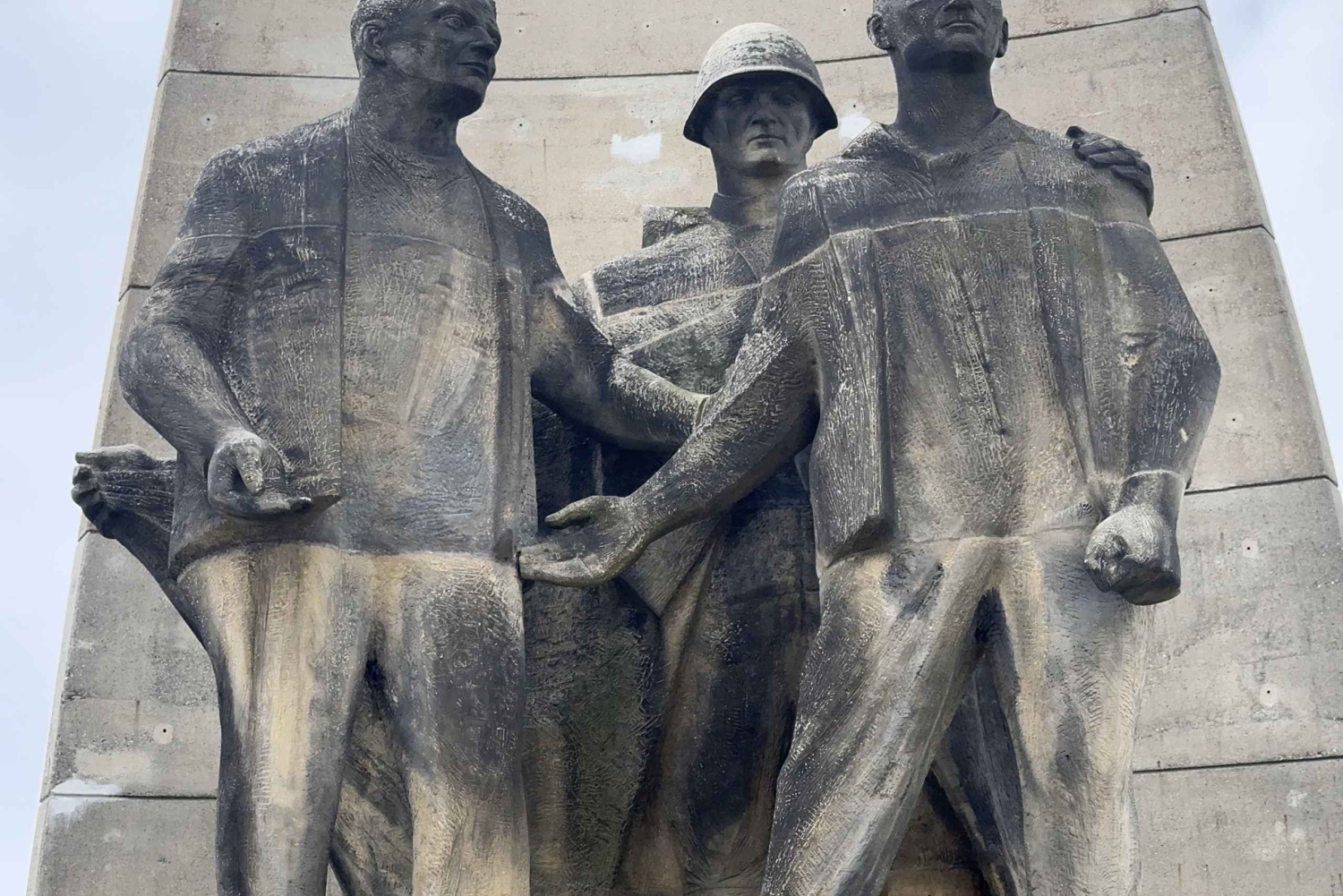
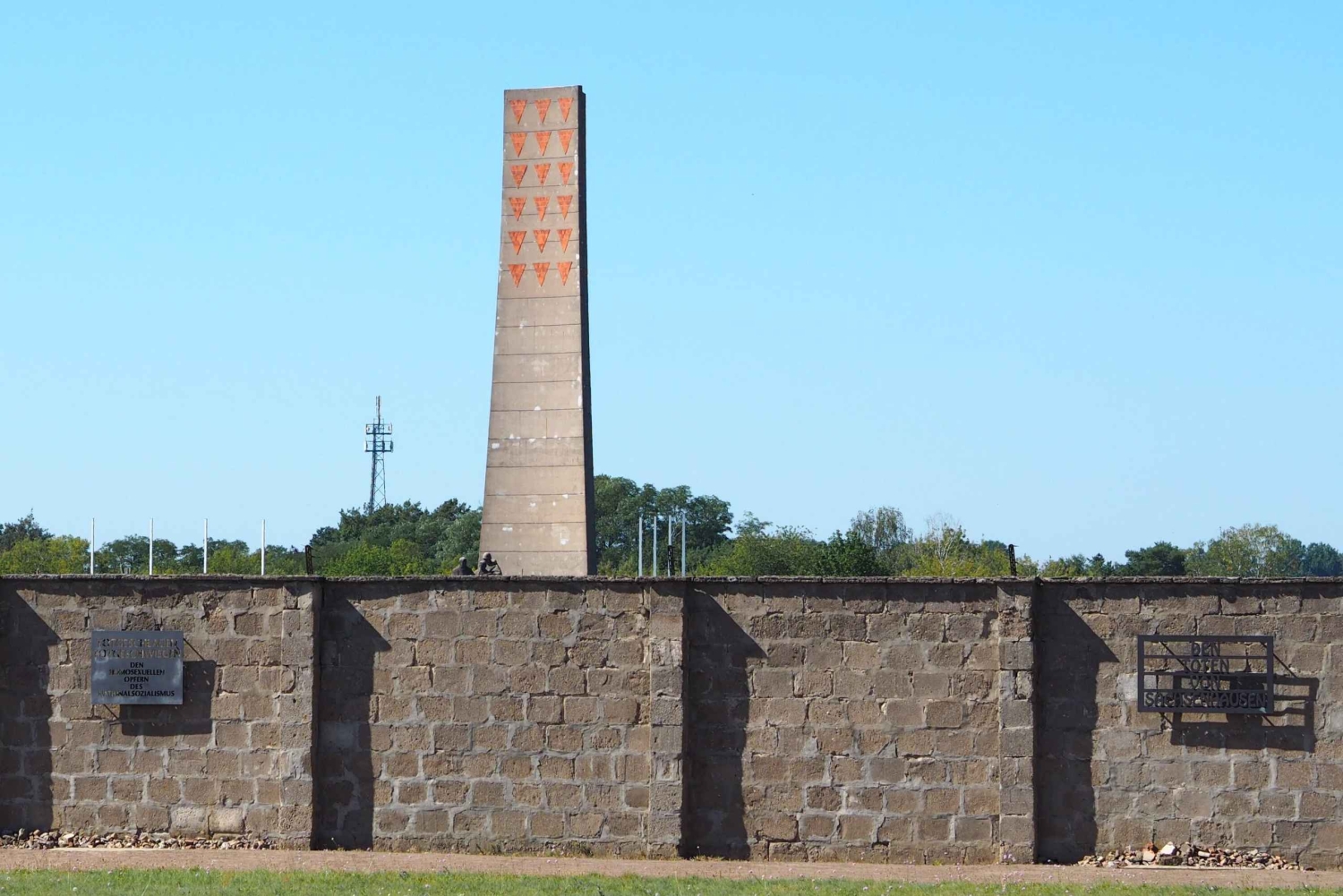
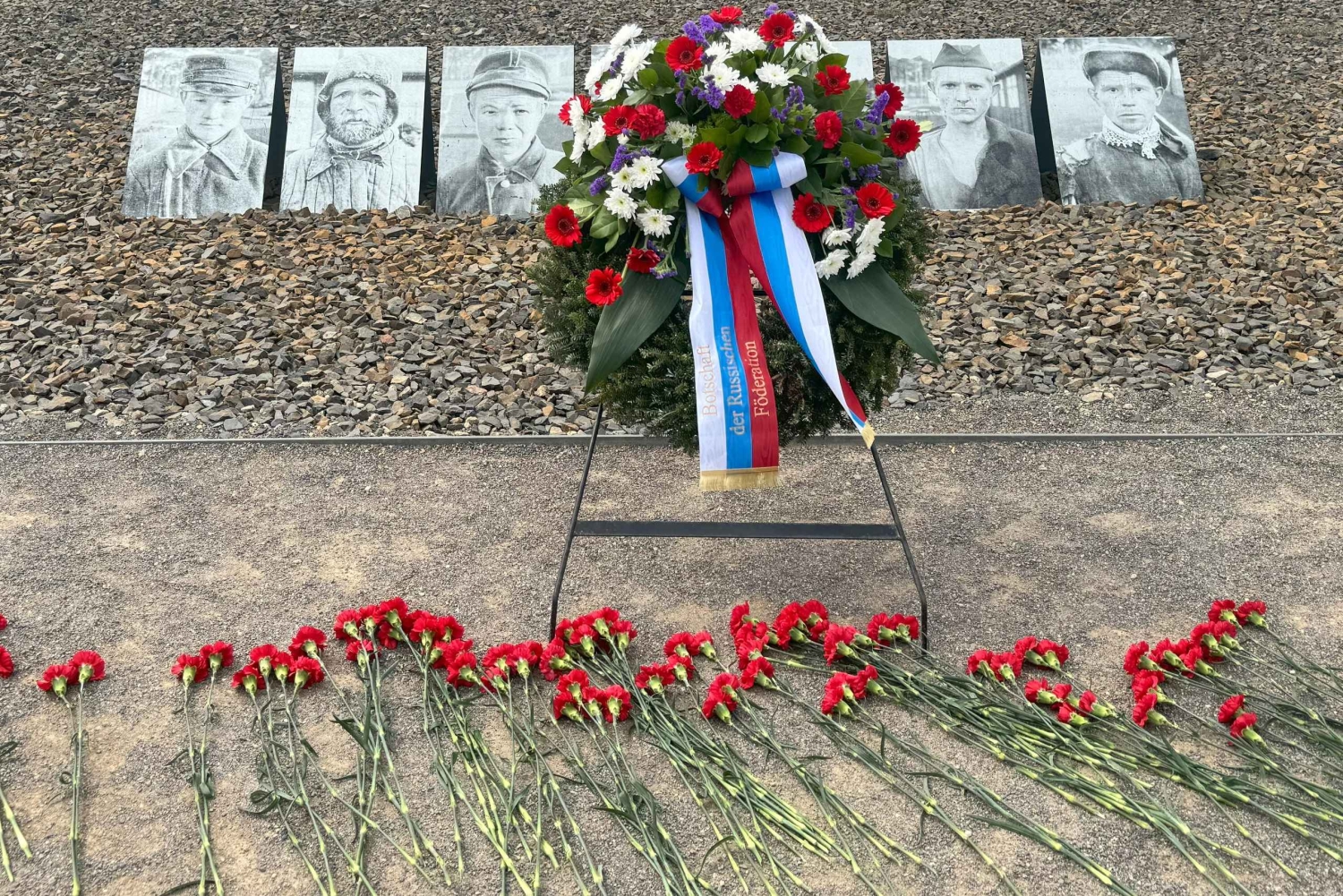
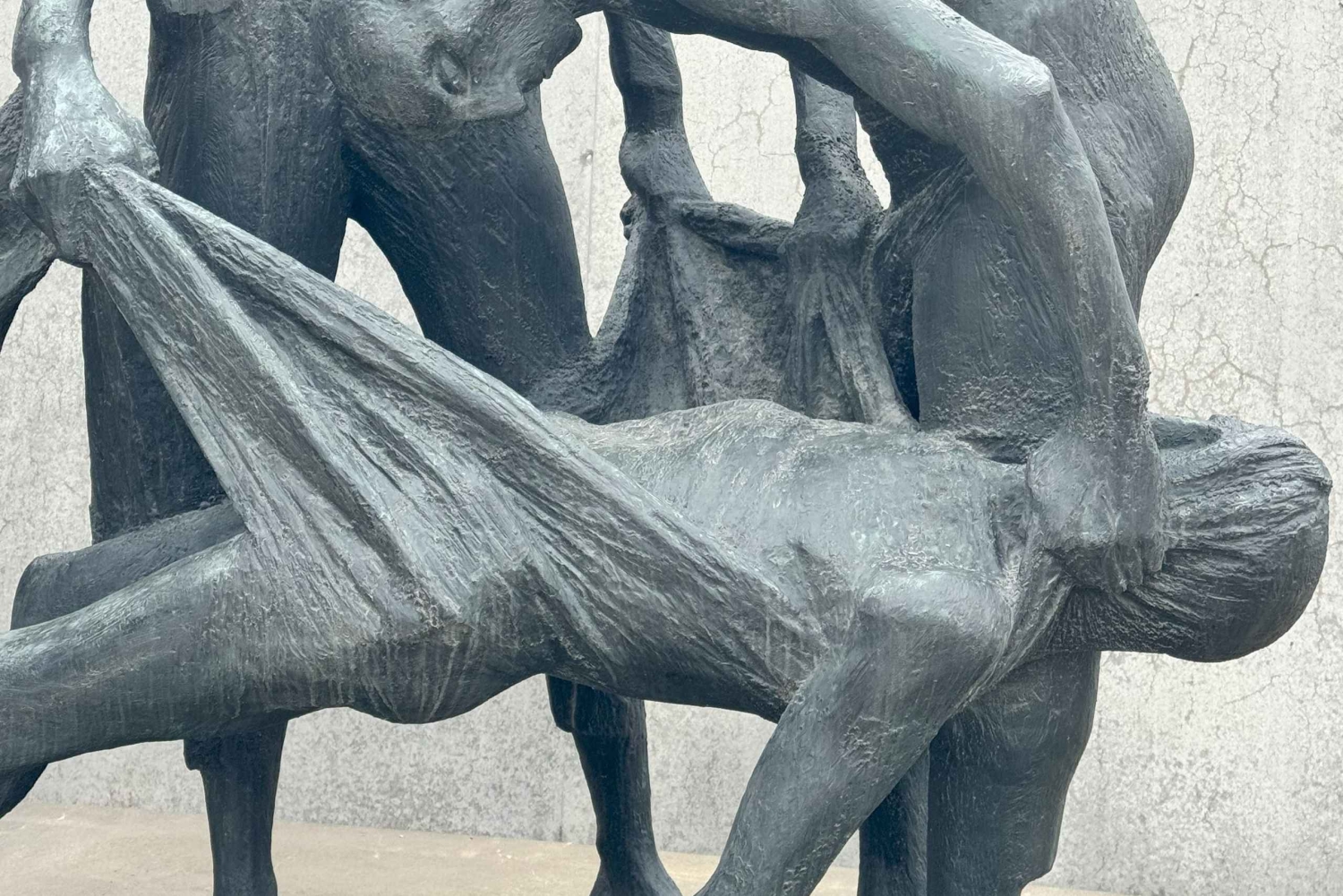
Sachsenhausen Concentration Camp Memorial by train
Immersive daytrip to Sachsenhausen. 200.000 inmates passed this close to Berlin KZ. Experience their terrible inmate life. See ordinary man becomming mass murderers. Learn how to get along with it.
Highlights
- Learn about the central administration of more than 1,000 camps
- See original sites and hear stories from prisoners’ harsh daily lives
- Learn how the SS recruited and trained its perpetrators
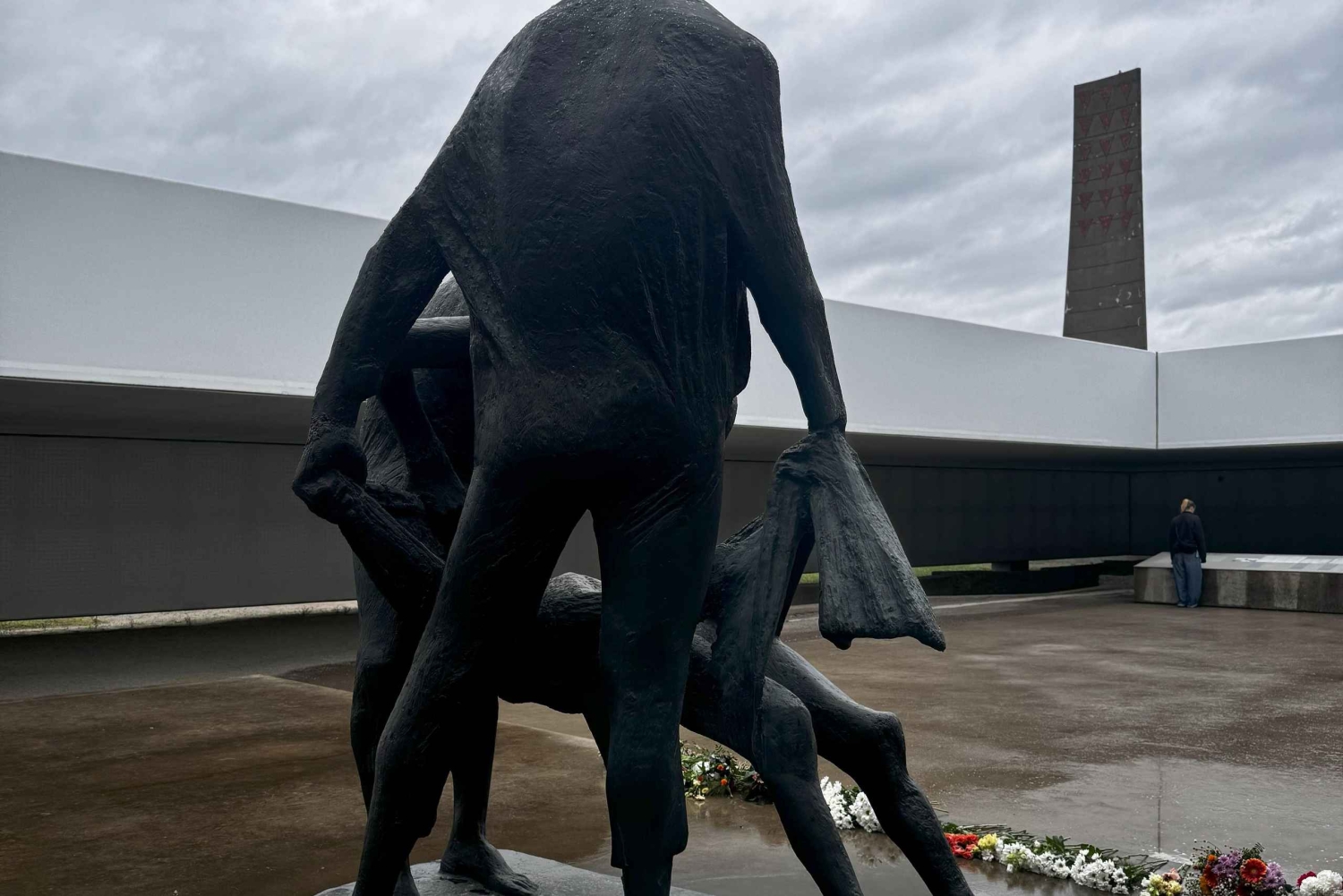
- Visit Station Z, the site of unimaginable mass murder
- Hear how hard it was to achieve justice after the crimes
Description
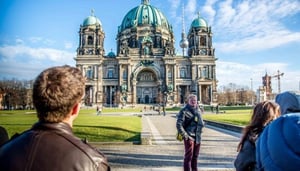
The meeting point is next to the New Synagogue, once a centre of Jewish life in Berlin in the 19th and early 20th centuries. Here, we discuss questions of integration and how the November pogroms of 1938 marked the first steps toward mass murder. This turning point also had a profound impact on the Sachsenhausen concentration camp.
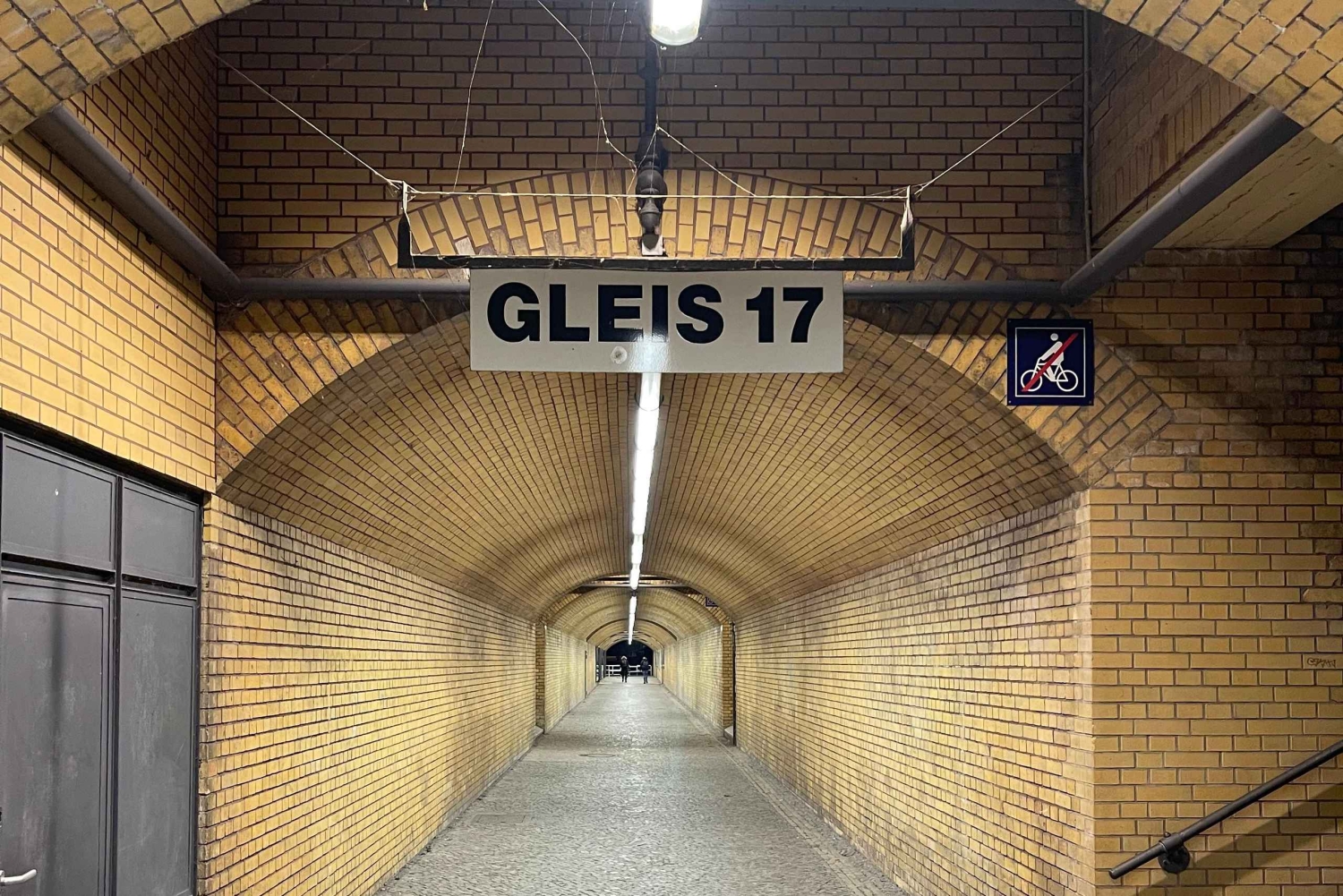
During the train ride to the town of Oranienburg, there will be enough time to provide an overview of how Hitler rose to power.
We will walk through the town to the camp—following the same route prisoners were once forced to take.
On the way, we will see the remaining building of the Inspectorate of Concentration Camps and talk about Sachsenhausen’s special role within a system of more than 1,000 camps.
A large overview map will give you an impression of how the camp’s “business model” expanded in just nine years.
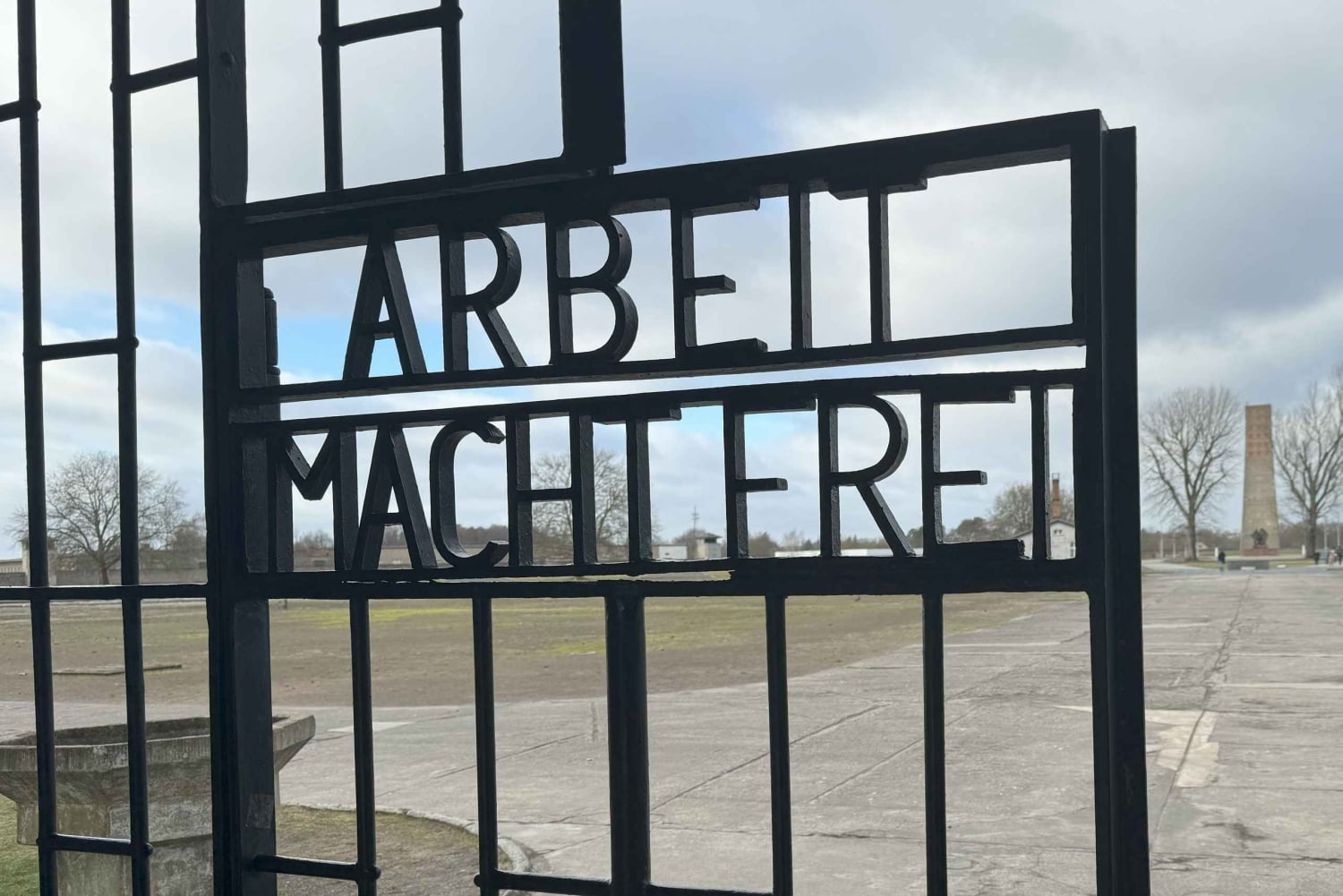
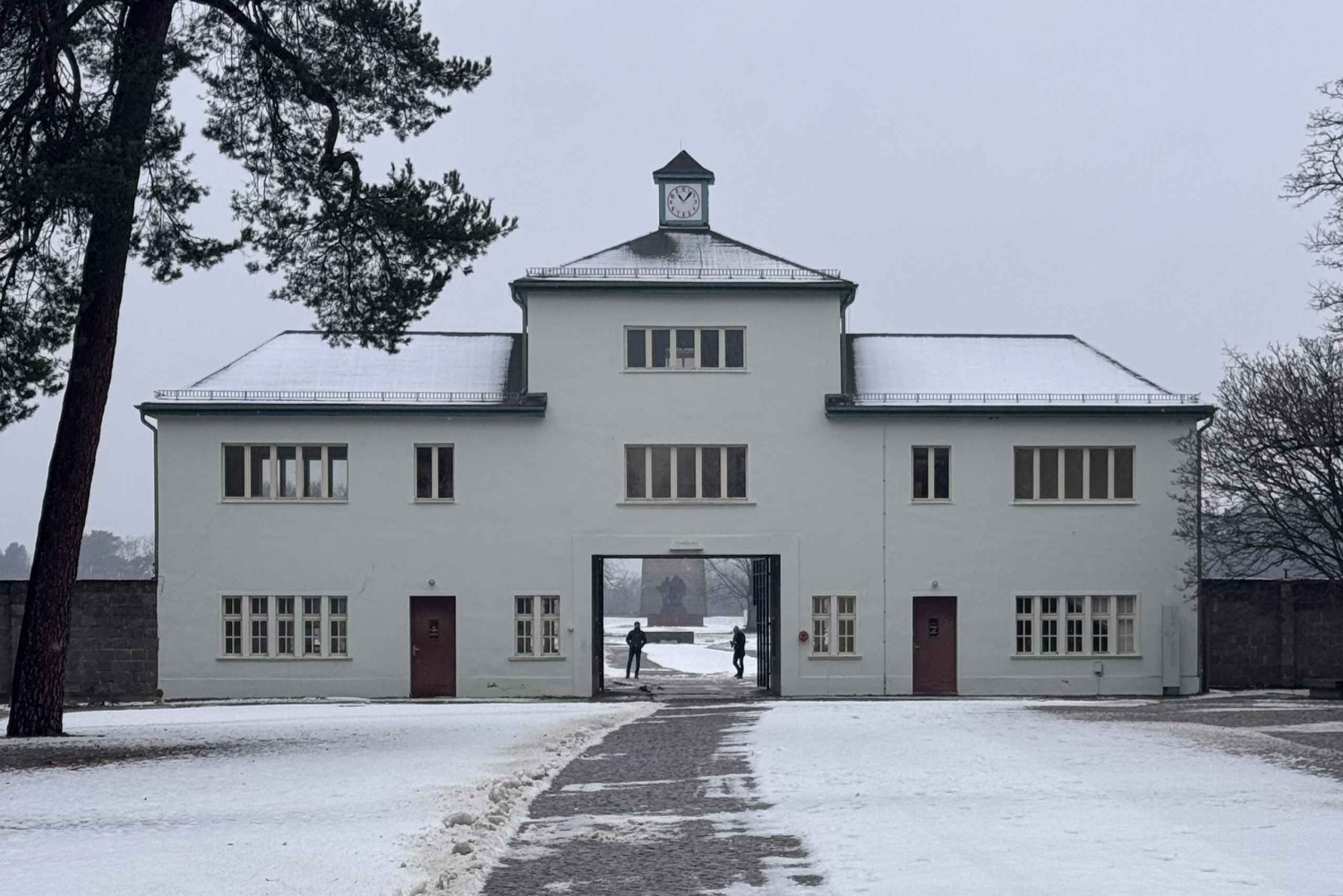
You will enter the camp through the cynical “Arbeit macht frei” gate and, from the roll-call square, gain a sense of the camp’s vast scale.
We will pass the shoe-testing track and see the prison that held Hitler’s personal detainees.
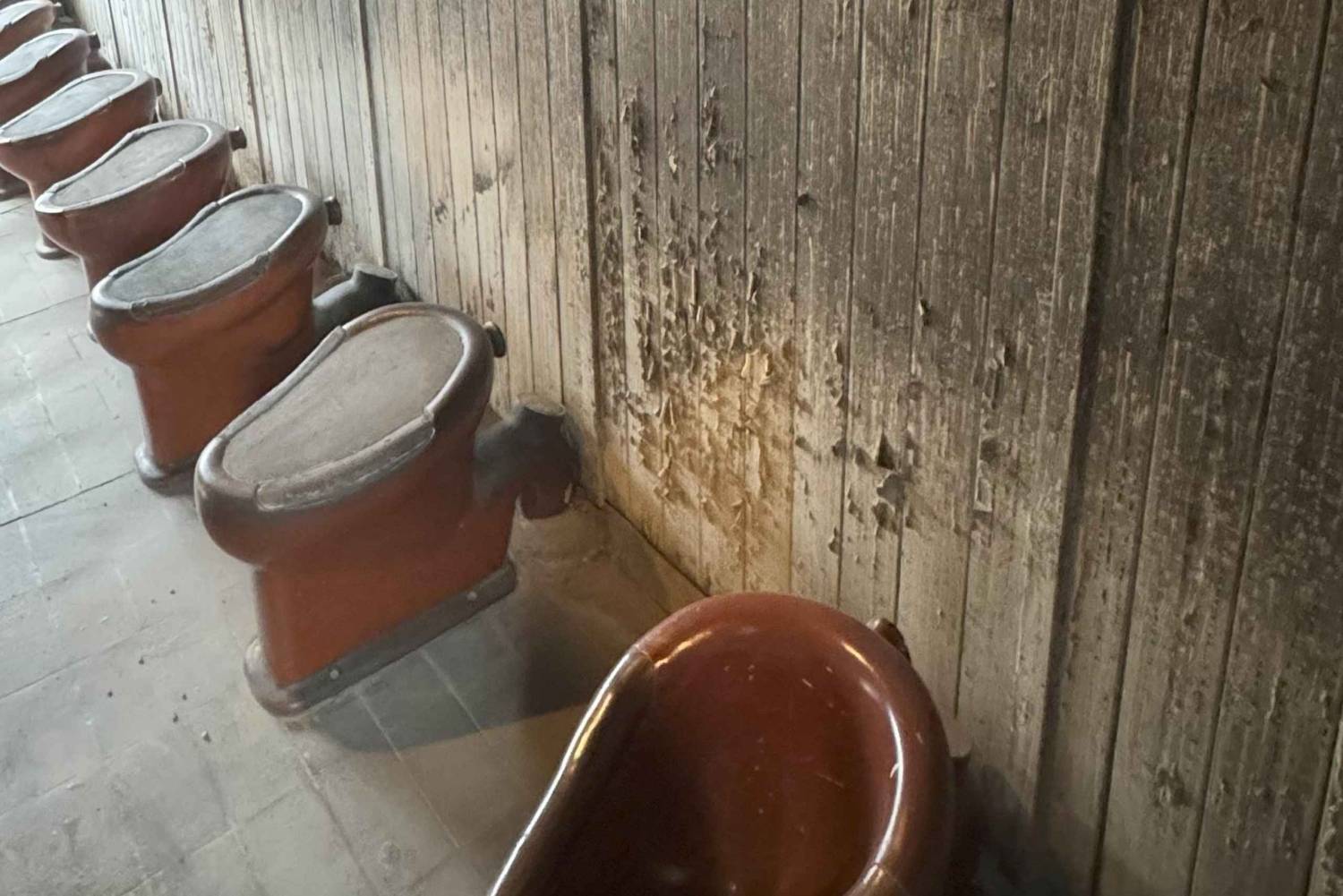
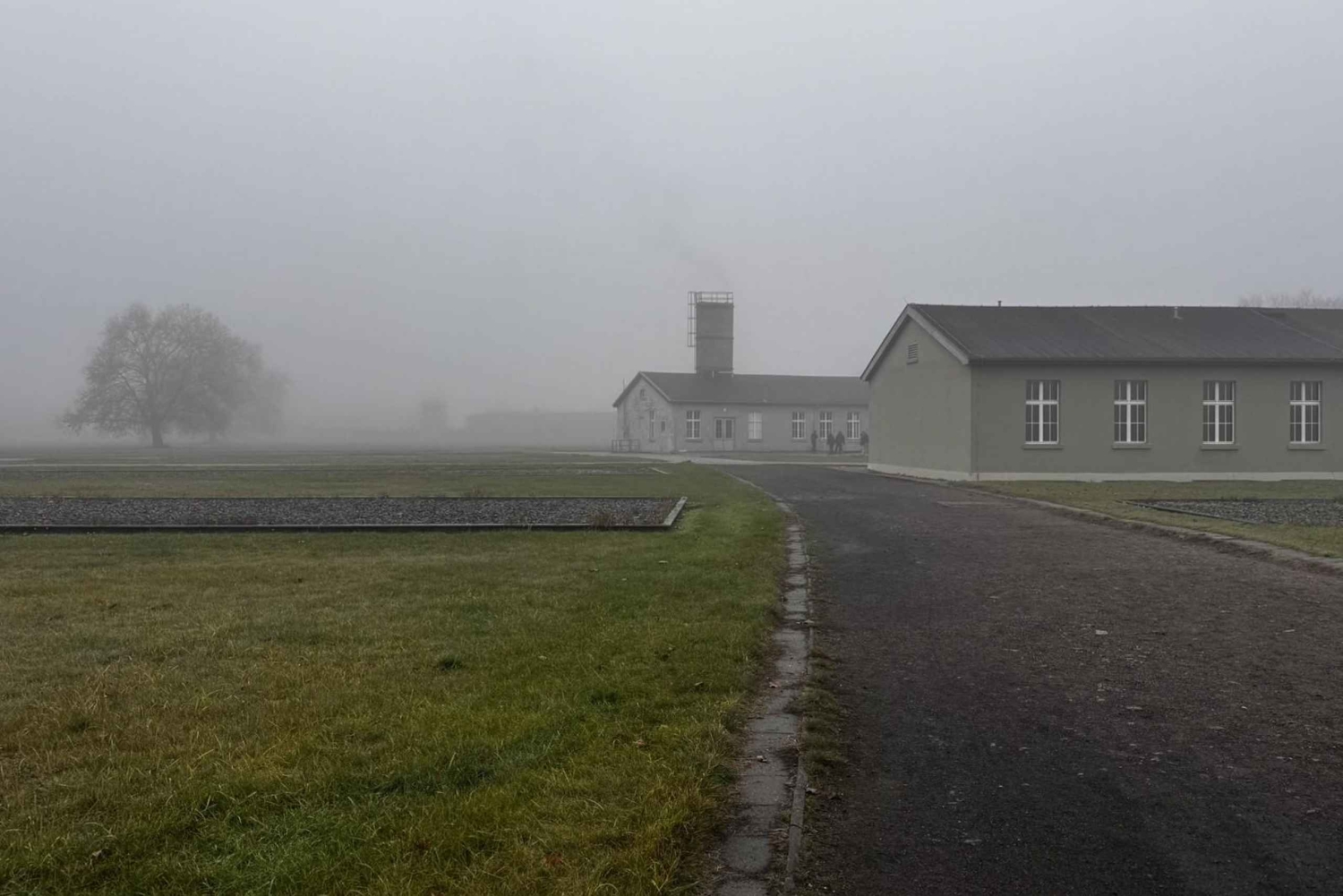
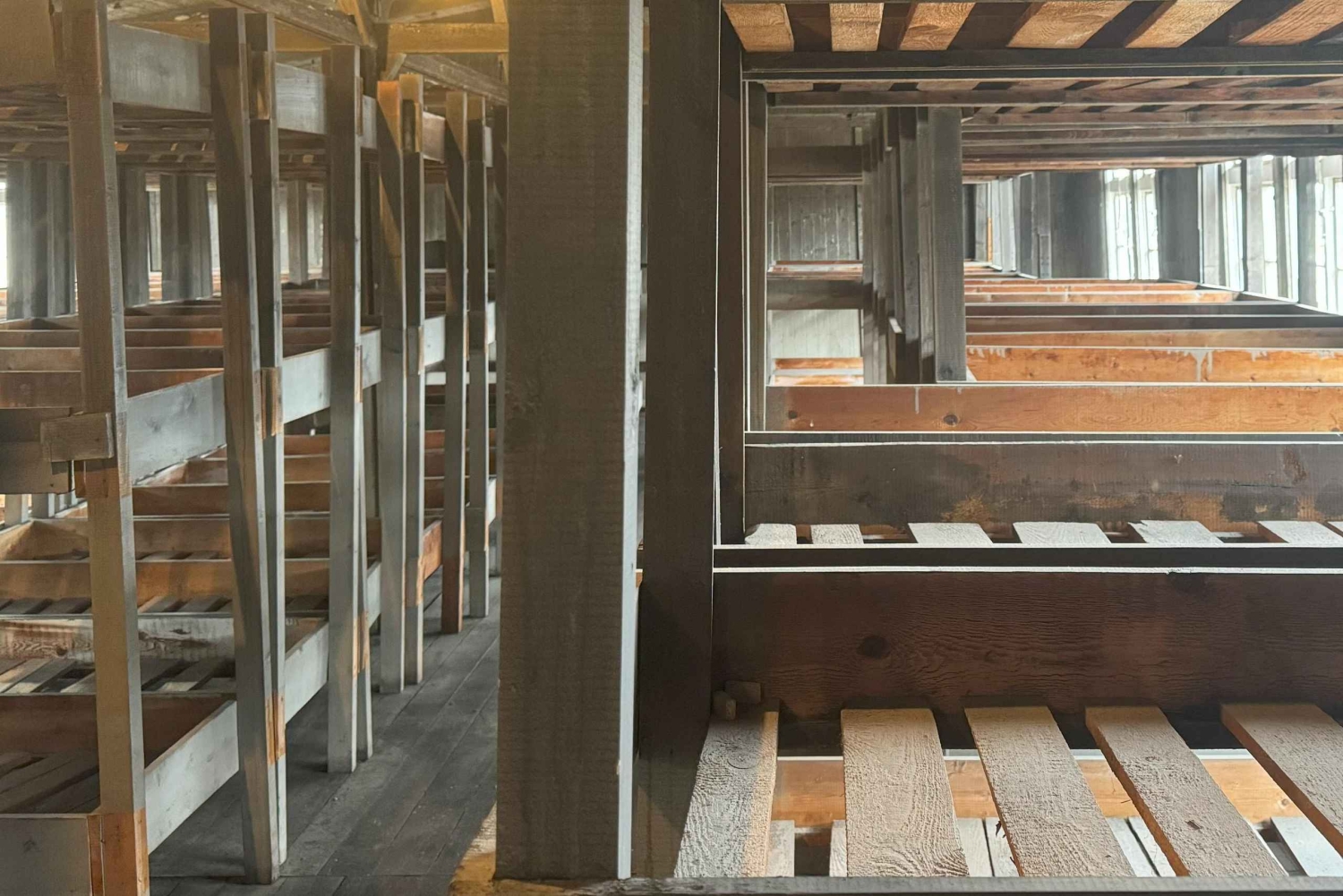
We will visit original barracks and pass places of everyday life and terror, including the infirmary—a site of cruel medical experiments.
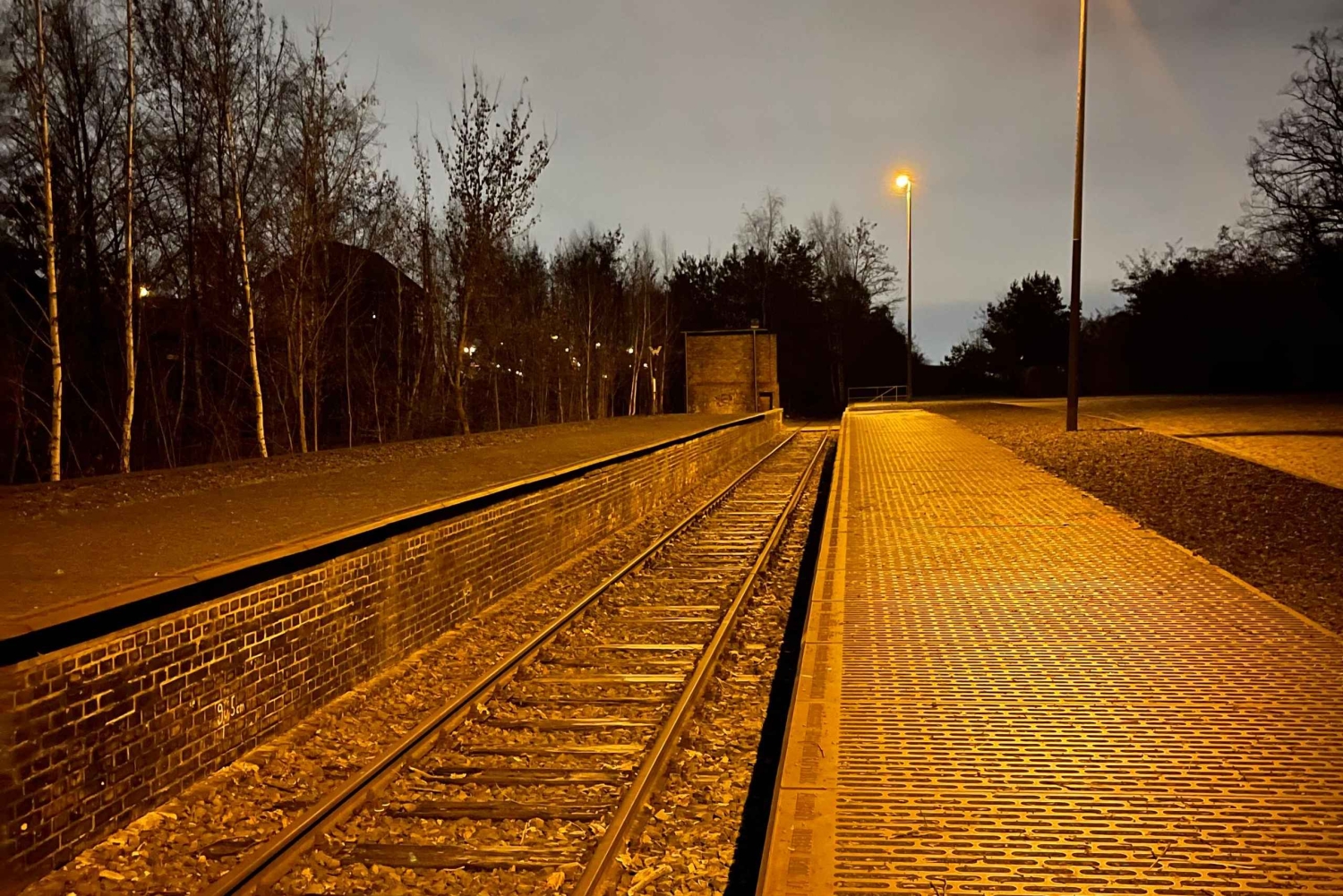
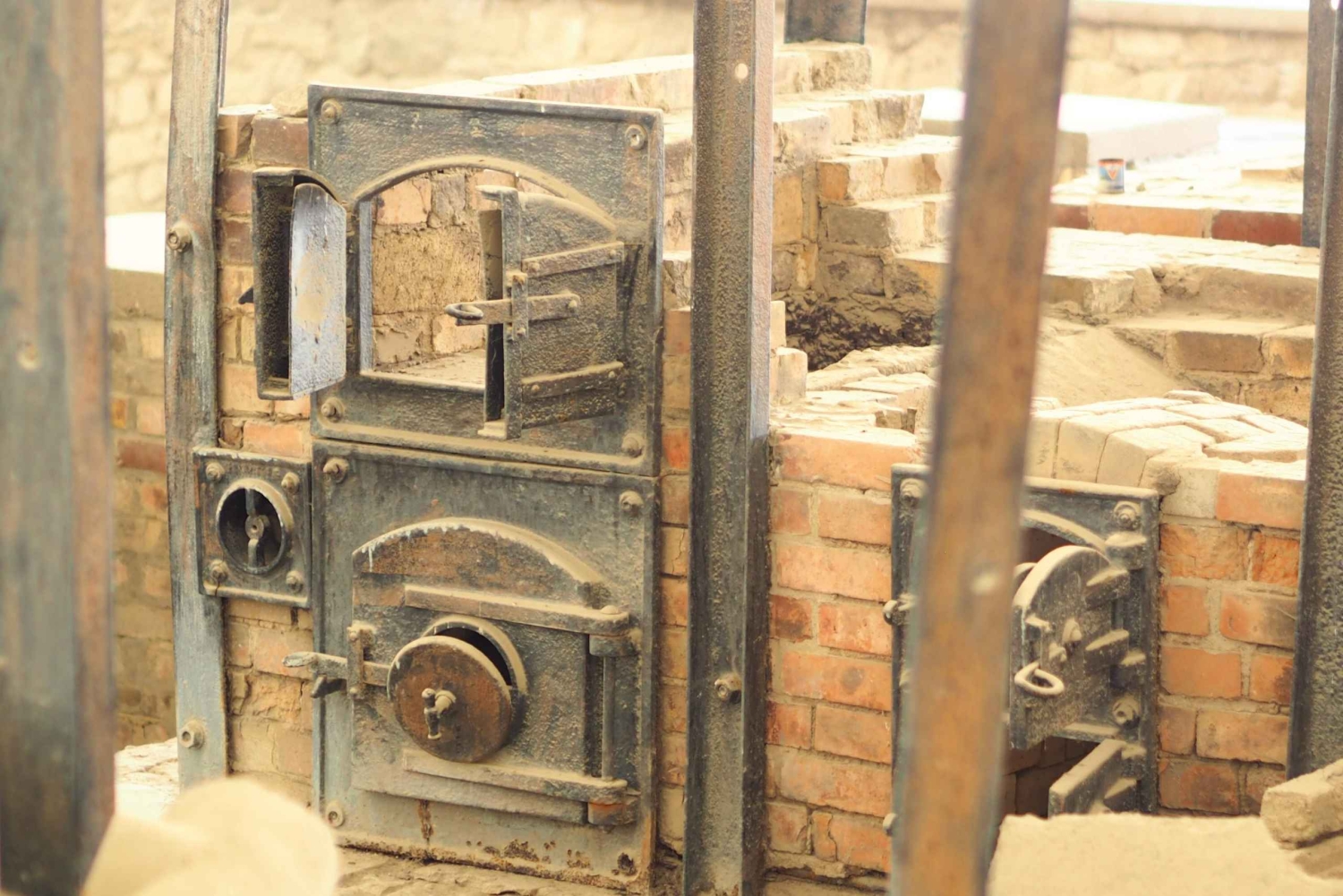
We will visit the sombre “Station Z”, the site of mass murder and the crematorium where more than 50,000 bodies were burned.
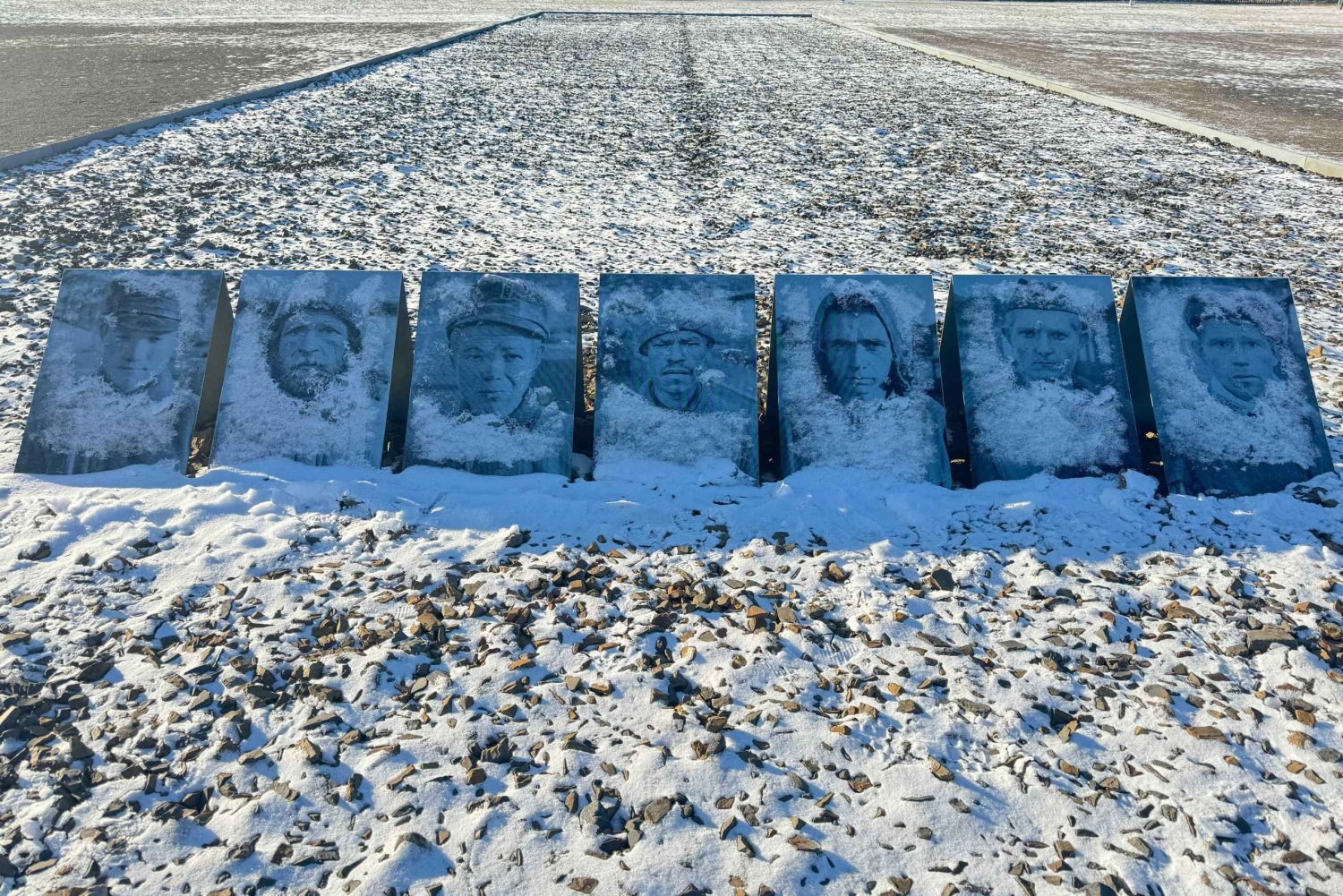
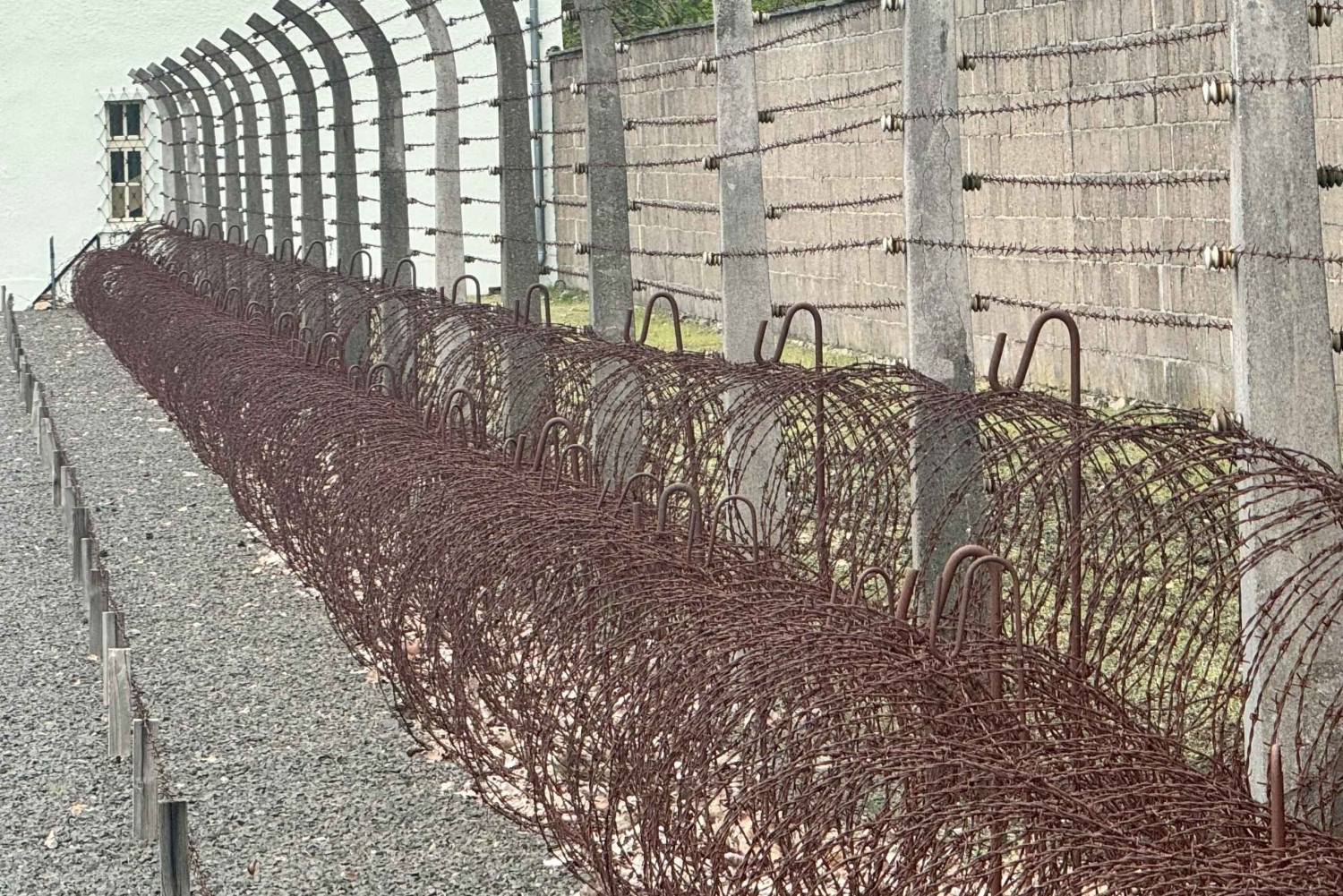
More than 80 years have passed, yet many traces remain.
Toward the end of the tour, we will look more closely at the complex development of public awareness and memory. You will gain an understanding of how remembrance culture has changed over three generations, and why the search for answers to “How could this happen?” has engaged people around the world. We will discuss psychological research exploring how so many individuals came to participate willingly in these crimes.
After about two and a half hours on site, it will be time to make our way back. We will take the train again, and I will accompany you back to the meeting point. If you are heading to a different location after the tour, I will gladly help you find the best connection.
You are welcome to stay longer at the site on your own, or you can arrange an extension of the tour with me.
Includes
The entrance to the site is free
Important Information
- The site offers a vast amount of information and several exhibitions. We will focus on a curated selection.
The tour includes an intense 15-minute introduction to German history, from the end of World War I to the division of Germany during the Cold War.
A key focus of the tour is the psychology of victims and perpetrators, and how German society—and humanity as a whole—has sought explanations and lessons. Please note that there are many possible perspectives; this tour aims to present a broad range.
The tour becomes most meaningful when you ask plenty of questions.
For younger children, the tour can be exhausting and difficult to understand.
The site is quite large, and we will cover a considerable walking distance.
Please let us know if you need a wheelchair on site.
We recommend bringing water and a sandwich, as there is no adequate food supply at the site.
Please be aware that this is a memorial site commemorating the terrible suffering of many thousands of people
Easy cancellation
Cancel up to 24 hours in advance for a full refund